
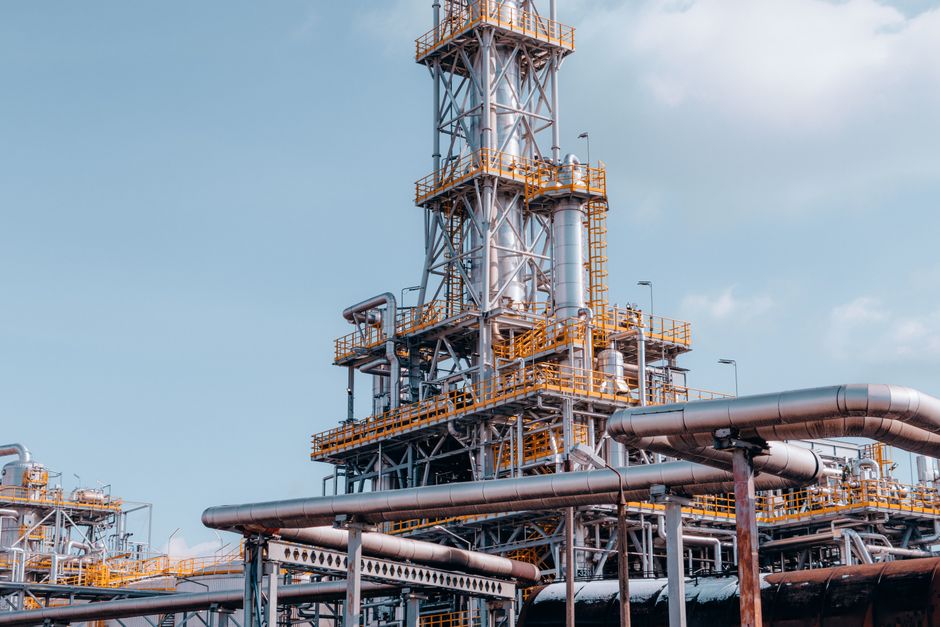
Chemical processing facilities face some of the most demanding operational conditions in modern industry. Enhancing durability in chemical processing environments requires a comprehensive understanding of the destructive forces at work and the engineering solutions available to combat them. Equipment in these settings must withstand corrosive chemicals, extreme temperatures, high pressures, and constant mechanical stress. The financial impact of equipment failure extends far beyond replacement costs, encompassing production downtime, environmental hazards, and potential safety incidents that can cost millions of dollars. Industries ranging from petrochemical refineries to pharmaceutical manufacturing depend on reliable equipment that can maintain integrity under punishing conditions. The selection of appropriate materials and sealing solutions forms the foundation of any durability strategy. Understanding which materials and components perform best in specific chemical environments separates successful operations from those plagued by frequent failures and costly interruptions.
Material selection as your first line of defense
Choosing the right materials for chemical processing equipment represents the most fundamental decision affecting long-term durability. Stainless steel alloys, particularly those in the 300 series, offer excellent resistance to many corrosive substances while maintaining structural integrity at elevated temperatures. Hastelloy and other nickel-based alloys provide superior performance in highly corrosive environments containing hydrochloric acid or chlorine compounds. However, material selection cannot follow a one-size-fits-all approach. The specific chemicals being processed, their concentrations, operating temperatures, and pressure ranges all influence which materials will deliver optimal performance. Carbon steel may suffice for mild conditions but fails rapidly when exposed to acidic or chlorinated environments. Titanium excels in oxidizing acid applications but proves vulnerable to reducing acids. You must conduct thorough compatibility studies before specifying materials for critical applications. The upfront investment in premium materials often delivers substantial returns through extended service life and reduced maintenance requirements.
Understanding the role of metal gaskets in harsh conditions
Sealing technology plays an equally critical role in maintaining equipment durability and preventing leaks that can lead to catastrophic failures. Metal gaskets have evolved significantly to meet the demanding requirements of modern chemical processing. These components must create reliable seals between flanges while resisting chemical attack, thermal cycling, and mechanical stress. Solid metal gaskets manufactured from materials like stainless steel, Inconel, or Monel provide exceptional resilience in high-temperature applications where softer gasket materials would quickly degrade. The development of advanced metal gasket designs has addressed many limitations of traditional sealing methods. These engineered solutions incorporate features that compensate for flange irregularities while maintaining consistent sealing pressure across the entire joint surface. When properly installed with appropriate bolt loads, metal gaskets can maintain integrity through hundreds of thermal cycles and years of continuous service. The key lies in matching the gasket material and design to the specific application requirements.
Kammprofile gaskets for superior sealing performance
Among the various sealing technologies available, kammprofile gaskets have emerged as particularly effective solutions for chemical processing applications. These specialized gaskets feature a serrated metal core that provides structural strength and resilience, combined with soft sealing layers on both faces that conform to flange surfaces. The unique design allows kammprofile gaskets to achieve reliable seals at lower bolt loads compared to solid metal alternatives, reducing stress on flanges and bolting systems. This characteristic proves especially valuable when working with equipment that cannot accommodate extremely high bolt loads. The metal core typically consists of stainless steel or other corrosion-resistant alloys, while the sealing layers utilize graphite or PTFE depending on the chemical compatibility requirements. This combination delivers excellent performance across a wide temperature range, from cryogenic conditions to temperatures exceeding 800 degrees Fahrenheit. The ability to withstand repeated thermal cycling without losing sealing capability makes these gaskets ideal for processes involving frequent startups and shutdowns.
Protective coatings and surface treatments
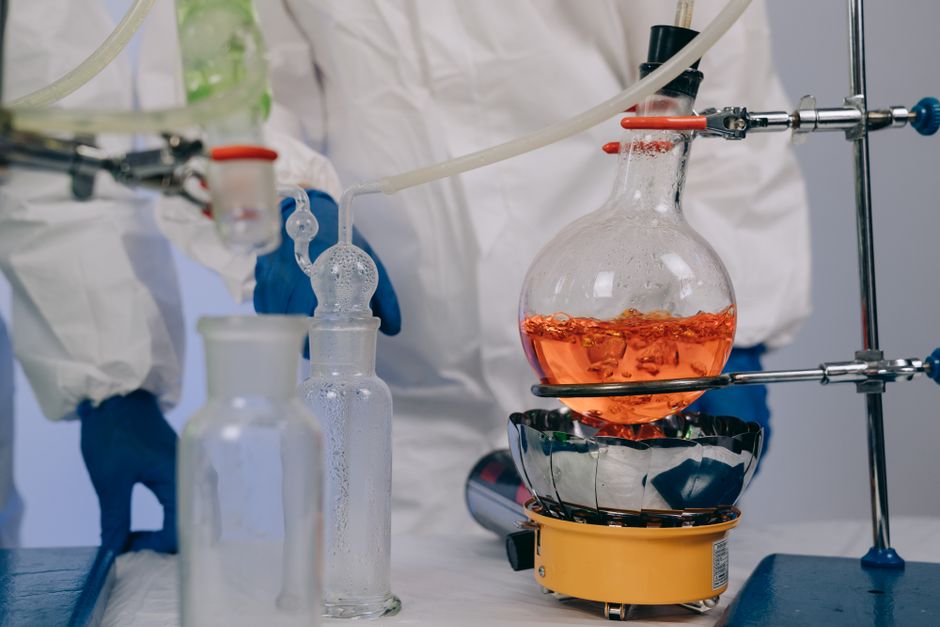
Beyond base material selection, surface treatments and protective coatings provide additional layers of defense against corrosion and wear. Electroless nickel plating creates a uniform protective barrier that resists many corrosive chemicals while providing excellent wear resistance. Ceramic coatings offer outstanding protection against high-temperature oxidation and abrasive wear, though they require careful application to ensure proper adhesion. Thermal spray processes can apply thick protective layers of metals, ceramics, or composite materials to component surfaces. Passivation treatments for stainless steel equipment remove free iron from the surface and promote the formation of a stable chromium oxide layer that enhances corrosion resistance. The selection of appropriate surface treatments depends on the specific corrosive agents present, operating temperatures, and mechanical wear factors. Regular inspection and reapplication of protective coatings form an essential part of any comprehensive durability maintenance program. What protective strategies does your facility currently employ, and are they adequate for your operating conditions?
Design considerations for extended service life
Equipment design profoundly influences durability in chemical processing environments. Minimizing crevices and dead spaces where corrosive materials can accumulate helps prevent localized corrosion that often initiates larger failures. Smooth surface finishes reduce areas where chemicals can attack the base material and make cleaning and decontamination more effective. Proper drainage design ensures that corrosive liquids do not pool in areas where they can cause accelerated deterioration. Stress concentration points require careful attention during design, as these locations often become initiation sites for stress corrosion cracking. Welded joints should receive appropriate heat treatment to relieve residual stresses and restore corrosion resistance in heat-affected zones. The incorporation of corrosion allowances provides a predetermined buffer of extra material thickness that extends service life before replacement becomes necessary. Design reviews should always include corrosion specialists who understand the specific challenges posed by the chemicals being processed and can identify potential vulnerability points before equipment enters service.
Monitoring and predictive maintenance strategies
Enhancing durability in chemical processing environments extends beyond initial equipment specification to encompass ongoing monitoring and maintenance practices. Ultrasonic thickness testing allows you to track corrosion rates and predict remaining service life before failures occur. Visual inspections during scheduled shutdowns can identify surface degradation, coating damage, or mechanical wear that requires attention. Acoustic emission monitoring detects the formation and growth of cracks in pressure vessels and piping systems, providing early warning of potential failures. Process parameter monitoring can reveal changes in pressure drop or flow characteristics that indicate internal corrosion or fouling. Implementing a comprehensive predictive maintenance program transforms maintenance from reactive crisis management to proactive intervention. Historical data analysis helps identify patterns and predict which components will require replacement based on operating hours, process conditions, and material performance. The integration of sensors and data analytics enables condition-based maintenance decisions that optimize both safety and operational efficiency. Regular sampling and analysis of process fluids can detect corrosion byproducts or contamination that indicates equipment degradation before visible damage occurs.
The economics of durability investment
The financial justification for investing in enhanced durability becomes clear when you calculate the total cost of ownership rather than focusing solely on initial capital expenditure. A premium component that costs three times more but lasts five times longer delivers superior value while reducing the frequency of disruptive replacement outages. Unplanned shutdowns in chemical processing facilities can cost between fifty thousand and several million dollars per day depending on production capacity and product values. The cost of a single catastrophic failure often exceeds the investment required to upgrade an entire system with superior materials and sealing solutions. Environmental remediation expenses following chemical releases can dwarf equipment costs, particularly when contamination affects soil or groundwater. Insurance premiums reflect a facility’s safety and reliability record, creating ongoing financial incentives for durability investments. Life cycle cost analysis should include energy efficiency considerations, as corroded or fouled equipment often operates at reduced efficiency. How does your organization balance upfront costs against long-term reliability and safety considerations?
Advancing durability through continuous improvement
The pursuit of enhanced equipment longevity in chemical processing represents an ongoing journey rather than a destination. New materials, coatings, and sealing technologies continually emerge, offering improved performance characteristics. Staying informed about technological advances allows you to incorporate better solutions during planned upgrades and replacements. Failure analysis programs that thoroughly investigate each equipment problem generate valuable insights for preventing future occurrences. Cross-industry knowledge sharing through professional associations and technical conferences exposes you to solutions developed in related fields that may apply to your specific challenges. Operator training programs that emphasize proper startup, shutdown, and emergency procedures reduce stress on equipment and extend service life. Documentation systems that track equipment performance, maintenance history, and operating conditions create institutional knowledge that improves decision-making. The chemical processing industry continues to push equipment durability boundaries through materials science advances, computational modeling that predicts corrosion behavior, and monitoring technologies that detect problems earlier. Organizations that commit to continuous improvement in durability practices position themselves for competitive advantage through reduced costs, improved safety, and enhanced operational reliability in increasingly demanding processing environments.
