
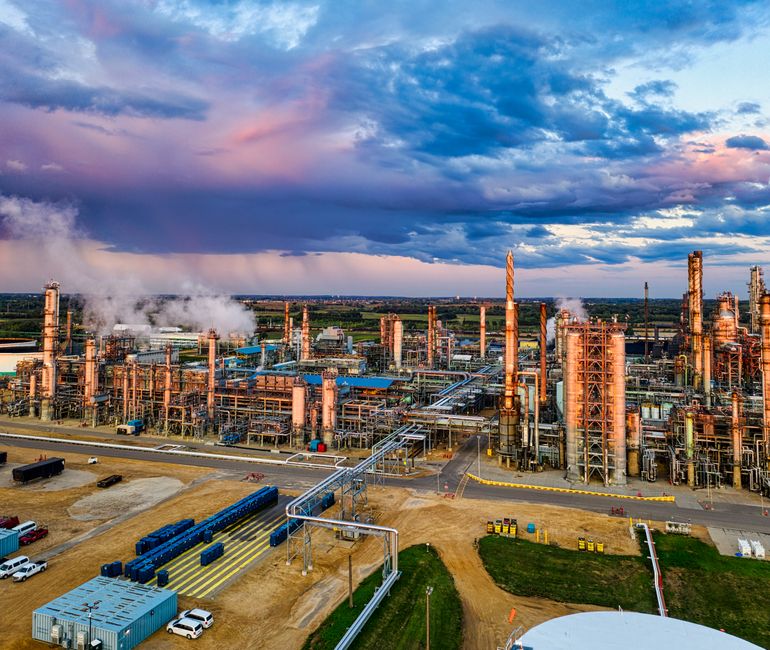
Chemical Processing Plant Safety Standards and Equipment Protection represents one of the most crucial aspects of modern industrial operations, where the consequences of failure can be catastrophic. The chemical industry handles hazardous materials daily, making comprehensive safety protocols and robust equipment protection systems absolutely essential. According to recent industry data, facilities that implement rigorous safety standards experience up to 60 percent fewer incidents than those with minimal protocols. This stark difference underscores why plant managers, safety officers, and engineering teams must prioritize both human safety and equipment integrity. The intersection of proper safety standards and equipment protection creates a shield against accidents, environmental damage, and costly production disruptions. Every component in a chemical processing facility, from the smallest seal to the largest reactor vessel, plays a role in maintaining operational safety and preventing potentially dangerous failures.
Regulatory frameworks governing chemical plant operations
Understanding the regulatory landscape forms the backbone of effective safety management in chemical processing facilities. The Occupational Safety and Health Administration establishes comprehensive guidelines that chemical plants must follow, including process safety management standards for facilities handling significant quantities of hazardous chemicals. These regulations require detailed hazard analyses, written operating procedures, and mechanical integrity programs that ensure equipment remains in safe working condition. The Environmental Protection Agency adds another layer through risk management programs that focus on preventing chemical accidents and protecting surrounding communities. European facilities operate under the REACH regulation and Seveso III Directive, which mandate strict chemical substance registration and major accident prevention measures. Compliance with these frameworks is not optional, and penalties for violations can reach millions of dollars while exposing companies to criminal liability. Beyond avoiding penalties, proper adherence to safety standards protects workers, communities, and the environment from the devastating consequences of chemical incidents.
Critical equipment protection strategies in corrosive environments
Chemical processing environments subject equipment to extreme conditions that can rapidly degrade components without proper protection. Corrosive chemicals, high temperatures, and pressure fluctuations create a perfect storm for equipment failure if protective measures are inadequate. Material selection becomes paramount when designing systems that will contact aggressive chemicals, with stainless steel, exotic alloys, and specialized coatings serving as the first line of defense. Sealing systems require particular attention since leaks can lead to worker exposure, environmental contamination, and catastrophic process failures. Engineers must carefully evaluate each connection point and flange assembly to ensure appropriate sealing materials are specified. The use of mica gasket material has proven particularly effective in high-temperature applications where conventional gaskets would fail, providing reliable sealing in steam systems and heat exchangers that operate above 500 degrees Fahrenheit. Regular inspection schedules allow maintenance teams to identify corrosion, erosion, or degradation before components reach critical failure points.
The role of proper sealing in maintaining process integrity
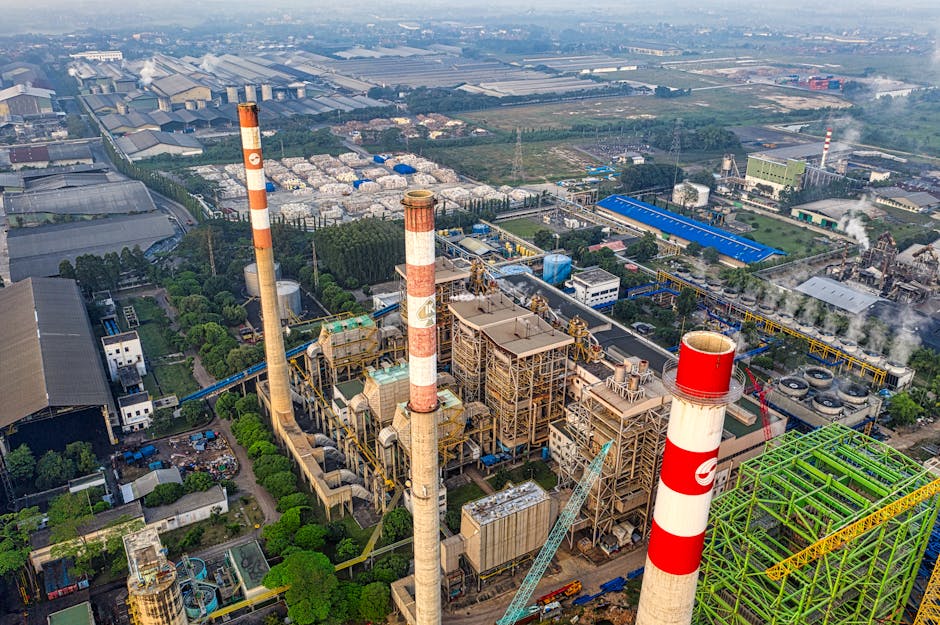
Maintaining leak-free connections throughout a chemical processing facility directly impacts both safety and operational efficiency. Flange joints, valve connections, and equipment nozzles create thousands of potential leak paths where chemicals could escape into the environment or workplace. Selecting the appropriate gasket material for each application requires understanding the chemical compatibility, temperature range, and pressure requirements of the specific service. Ptfe gaskets excel in applications involving corrosive acids, solvents, and caustic solutions due to their exceptional chemical resistance across a broad pH range. These fluoropolymer gaskets maintain their sealing capability even when exposed to aggressive chemicals that would quickly destroy conventional gasket materials. Installation procedures matter just as much as material selection, with proper bolt torque sequences and surface preparation being critical to achieving reliable seals. Many facilities now use torque wrenches and hydraulic tensioners to ensure bolts are tightened uniformly, preventing the uneven loading that causes premature gasket failure. The implementation of fugitive emissions monitoring programs helps identify leaking components before they become major problems, with some facilities achieving leak rates below 500 parts per million through diligent monitoring and maintenance.
Pressure relief systems and emergency protection layers
Every chemical processing system must incorporate multiple layers of protection to prevent runaway reactions, overpressure events, and other emergency scenarios. Pressure relief valves serve as the final mechanical safeguard, automatically opening to vent excess pressure before equipment ruptures. Sizing these devices correctly requires detailed process knowledge, including potential reaction rates, heat generation, and vapor production under upset conditions. Modern facilities employ sophisticated control systems that monitor hundreds of process parameters simultaneously, triggering automated responses when conditions deviate from safe operating ranges. Emergency shutdown systems can isolate equipment sections, stop chemical feeds, and activate cooling systems within seconds of detecting dangerous conditions. However, mechanical protection devices remain essential because electronic systems can fail due to power loss, sensor malfunction, or cyber attacks. Regular testing and maintenance of pressure relief valves ensures they will function when needed, with most safety standards requiring annual inspections and recertification. The combination of active monitoring, automated controls, and passive mechanical protection creates redundancy that dramatically reduces the likelihood of catastrophic failures.
Material compatibility and long-term equipment durability
Chemical Processing Plant Safety Standards and Equipment Protection demands careful attention to how materials interact with process chemicals over extended periods. A material that initially appears compatible may degrade after months or years of exposure, leading to unexpected failures. Comprehensive compatibility charts help engineers select appropriate materials, but real-world conditions often involve chemical mixtures, temperature cycling, and contamination that complicate predictions. Testing programs that expose material samples to actual process conditions provide valuable data about long-term performance and degradation rates. Mica gasket material offers excellent dimensional stability and maintains sealing force even after repeated thermal cycles, making it suitable for applications where equipment undergoes frequent startups and shutdowns. Plastic linings and rubber coatings extend the life of steel vessels and piping that would otherwise corrode rapidly, but these protective layers require regular inspection for cracks, blisters, or delamination. Documentation of material specifications and installation dates helps maintenance teams plan replacements before protective systems fail. Some facilities now use digital asset management systems that track every component’s history, providing maintenance alerts based on expected service life and operating conditions.
Training and human factors in equipment protection
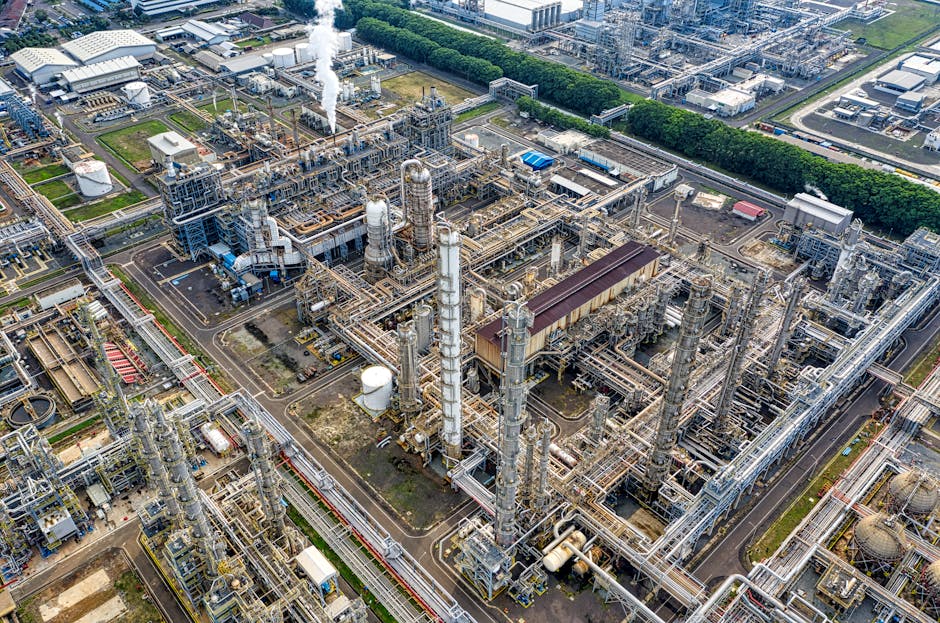
The most sophisticated safety systems and robust equipment designs cannot overcome inadequate operator training and poor safety culture. Human error contributes to approximately 70 percent of chemical processing incidents, highlighting the critical importance of comprehensive training programs. Operators must understand not just how to run processes, but why specific procedures exist and what happens when protocols are ignored. Scenario-based training that simulates emergency conditions helps personnel develop the instincts and knowledge needed to respond effectively during actual incidents. Regular refresher training ensures workers maintain their skills and stay current with updated procedures and equipment modifications. Creating a culture where workers feel empowered to stop operations if they observe unsafe conditions prevents many accidents that would otherwise occur. How can facilities ensure that cost pressures and production demands do not compromise safety practices? Strong leadership commitment, clear communication, and consistent enforcement of standards establishes that Chemical Processing Plant Safety Standards and Equipment Protection takes precedence over short-term production goals. Near-miss reporting systems encourage workers to share information about potential hazards before they cause actual incidents, providing valuable data for continuous improvement efforts.
Inspection programs and predictive maintenance strategies
Systematic inspection programs form the cornerstone of long-term equipment protection in chemical processing facilities. Visual inspections catch obvious problems like leaks, corrosion, and mechanical damage, but many degradation mechanisms remain hidden inside equipment or beneath insulation. Ultrasonic thickness testing reveals internal corrosion in vessels and piping before wall thinning reaches dangerous levels, allowing planned replacements rather than emergency repairs. Thermographic imaging identifies hot spots that indicate failing insulation, overheated motors, or electrical connection problems. Vibration analysis on rotating equipment detects bearing wear, misalignment, and imbalance before these conditions lead to catastrophic failures. The strategic use of ptfe gaskets in critical sealing applications reduces maintenance frequency because their superior chemical resistance extends service life compared to traditional gasket materials. Facilities that implement predictive maintenance programs report maintenance cost reductions of 25 to 30 percent while simultaneously improving equipment reliability. Digital monitoring systems now provide continuous data streams that feed into artificial intelligence algorithms, predicting failures days or weeks before they occur. This shift from reactive to predictive maintenance fundamentally changes how facilities approach Chemical Processing Plant Safety Standards and Equipment Protection, moving from fixing problems after they happen to preventing them entirely.
