
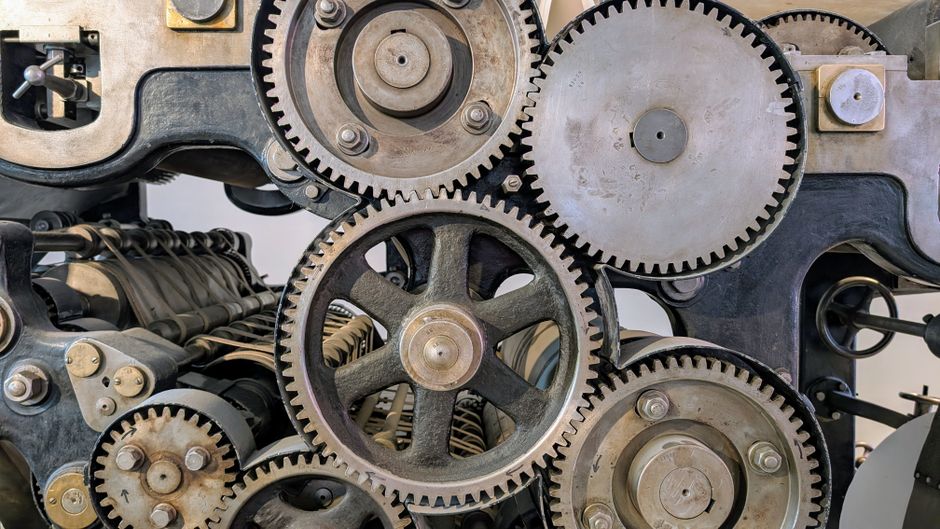
Industrial machinery represents a substantial investment for any manufacturing facility, and protecting that investment requires a strategic approach to maintenance. Maintaining industrial machinery for maximum lifespan and performance is not simply about fixing things when they break—it’s about implementing systematic preventive measures that keep equipment running efficiently for decades. The difference between machinery that lasts fifteen years versus thirty years often comes down to how consistently and thoroughly maintenance protocols are followed. Manufacturing plants that prioritize proper maintenance typically see equipment downtime reduced by up to forty percent compared to facilities with reactive maintenance approaches. Every component, from massive hydraulic presses to precision grinding equipment, benefits from regular attention and care. Understanding the specific needs of each machine type allows maintenance teams to develop targeted strategies that address wear patterns before they become failures. The cost of preventive maintenance typically runs at twenty to thirty percent of what emergency repairs would cost, making it both a practical and financially sound approach.
Establishing a comprehensive maintenance schedule
Creating an effective maintenance calendar starts with understanding manufacturer recommendations and adapting them to your specific operating conditions. Heavy-use environments require more frequent inspections than machines running intermittent shifts. Daily visual inspections should focus on obvious signs of trouble—unusual noises, vibrations, leaks, or temperature changes that indicate developing problems. Weekly maintenance might include lubrication checks, filter replacements, and detailed inspections of high-wear components. Monthly deep maintenance allows technicians to perform more invasive checks, including alignment verification and measurement of clearances that affect performance. Quarterly reviews should examine historical data to identify trends that suggest deteriorating conditions before they cause failures. Annual overhauls provide opportunities to replace components approaching their service life limits, recalibrate systems, and perform thorough cleaning that removes accumulated contaminants. Documentation of every maintenance activity creates a valuable historical record that helps predict future needs and justify equipment replacement decisions when machines reach the end of their economic life.
Critical components that demand special attention
Certain machinery elements require particularly careful monitoring because their failure can cascade into extensive damage. Bearings support rotating components and need consistent lubrication, proper alignment, and protection from contamination that causes premature wear. Drive systems including belts, chains, and gears transmit power throughout machines and show clear warning signs when adjustment or replacement becomes necessary. Hydraulic and pneumatic systems depend on clean fluids, properly functioning seals, and maintained pressure levels to operate reliably. Electrical components including motors, switches, and control systems need protection from dust, moisture, and excessive heat that degrade insulation and connections. Sealing systems prevent leaks and contamination in everything from pumps to pressure vessels, with specialized solutions like kammprofile gaskets providing reliable sealing in high-pressure and high-temperature applications. Temperature-sensitive equipment often incorporates mica gasket material in areas where heat resistance and electrical insulation are simultaneously required. These specialized components demonstrate how modern maintenance requires knowledge of advanced materials and their appropriate applications. Regular inspection of all these critical elements allows maintenance teams to spot deterioration patterns and intervene before minor issues become major failures.
Lubrication practices that extend equipment life
Proper lubrication might be the single most important maintenance activity for extending machinery lifespan. Using the correct lubricant type matters enormously—the wrong viscosity or formulation can actually accelerate wear rather than prevent it. Temperature conditions, load characteristics, and speed requirements all influence which lubricant performs best in each application. Over-lubrication causes its own problems, including seal damage, increased operating temperatures, and churning losses that waste energy. Under-lubrication obviously leads to metal-to-metal contact that rapidly destroys bearing surfaces and other moving parts. Contamination of lubricants by water, dust, or metal particles turns protective fluids into abrasive slurries that grind away at precision surfaces. Oil analysis programs identify contamination and degradation before they cause damage, allowing timely fluid changes that cost far less than component replacement. Automated lubrication systems ensure consistent application at proper intervals, eliminating the human error factor that causes many lubrication-related failures. Clean storage of lubricants in sealed containers protects them from contamination before they even reach the machinery.
Managing sealing systems and gasket materials
Leak prevention and contamination control depend heavily on maintaining effective seals throughout industrial machinery. Static seals between flanges and mating surfaces prevent fluid loss and maintain system pressure in pipes, pumps, and vessels. Dynamic seals on rotating shafts and reciprocating components face much harsher conditions with constant motion creating friction and wear. Temperature extremes challenge many sealing materials, requiring careful selection based on operating conditions. Chemical compatibility between sealing materials and process fluids prevents degradation that leads to premature seal failure. High-pressure applications often benefit from kammprofile gaskets that combine a serrated metal core with soft sealing layers for excellent resilience and recovery after compression. Electrical equipment housings frequently incorporate mica gasket material where both sealing and thermal management are important. Regular inspection of all sealing points identifies weeping or minor leaks before they become major problems requiring emergency shutdowns. Proper installation techniques including correct torque sequences and surface preparation ensure new seals perform as designed. Keeping detailed records of seal types and replacement dates helps predict when preventive replacement makes sense before failures occur.
Training and empowering maintenance personnel
The most sophisticated maintenance program fails without skilled technicians who understand both machinery operation and proper maintenance techniques. Initial training should cover manufacturer specifications, safety procedures, and the reasoning behind each maintenance task. Ongoing education keeps teams current with new technologies, materials, and diagnostic methods that improve maintenance effectiveness. Cross-training creates flexibility so multiple team members can handle various equipment types rather than having single points of failure in staffing. Encouraging technicians to report observations and suggest improvements taps into frontline expertise that management might otherwise miss. Providing proper tools and equipment demonstrates organizational commitment to quality maintenance and makes technicians’ jobs safer and more efficient. Clear communication channels between operators and maintenance staff ensure that small problems get reported immediately rather than festering until they cause breakdowns. Recognizing and rewarding thorough, proactive maintenance work reinforces the behaviors that truly maintain industrial machinery for maximum lifespan and performance.
Leveraging technology for predictive maintenance
Modern sensors and monitoring systems transform maintenance from a time-based activity to a condition-based science. Vibration analysis detects bearing wear, misalignment, and imbalance long before they cause catastrophic failures. Thermal imaging identifies hot spots indicating electrical problems, friction issues, or inadequate lubrication. Ultrasonic testing finds leaks in compressed air systems, steam traps, and hydraulic circuits that waste energy and reduce efficiency. Oil analysis reveals wear metals, contamination, and lubricant degradation at microscopic levels invisible to visual inspection. Motor current signature analysis diagnoses electrical and mechanical problems in motors and driven equipment without requiring disassembly. Internet-connected sensors provide continuous monitoring and alert maintenance teams immediately when parameters drift outside normal ranges. Predictive analytics software examines historical data to forecast when components will likely need replacement, allowing planned maintenance during scheduled downtime rather than emergency repairs. These technologies require initial investment but typically pay for themselves within two years through avoided breakdowns and optimized maintenance timing.
Making economically sound maintenance decisions
Balancing maintenance costs against equipment reliability requires careful analysis of each machine’s role in production. Critical path equipment that stops entire production lines when it fails justifies more intensive maintenance and redundant backup systems. Secondary equipment that can be quickly bypassed or replaced might receive less frequent attention without significantly affecting operations. Age and obsolescence factor into decisions about whether extensive repairs make economic sense compared to replacement with more efficient modern alternatives. Energy consumption deserves consideration since well-maintained equipment often uses fifteen to twenty percent less energy than poorly maintained counterparts. Spare parts availability influences maintenance planning, particularly for older equipment where components may require long lead times or custom fabrication. Total cost of ownership calculations should include not just maintenance expenses but also productivity losses from downtime and quality problems caused by worn equipment. Sometimes the most economically rational decision is retiring equipment before major failure occurs and investing in newer technology with lower operating costs. Documentation and data analysis make these decisions objective rather than emotional, ensuring resources get allocated where they provide the greatest return.
