
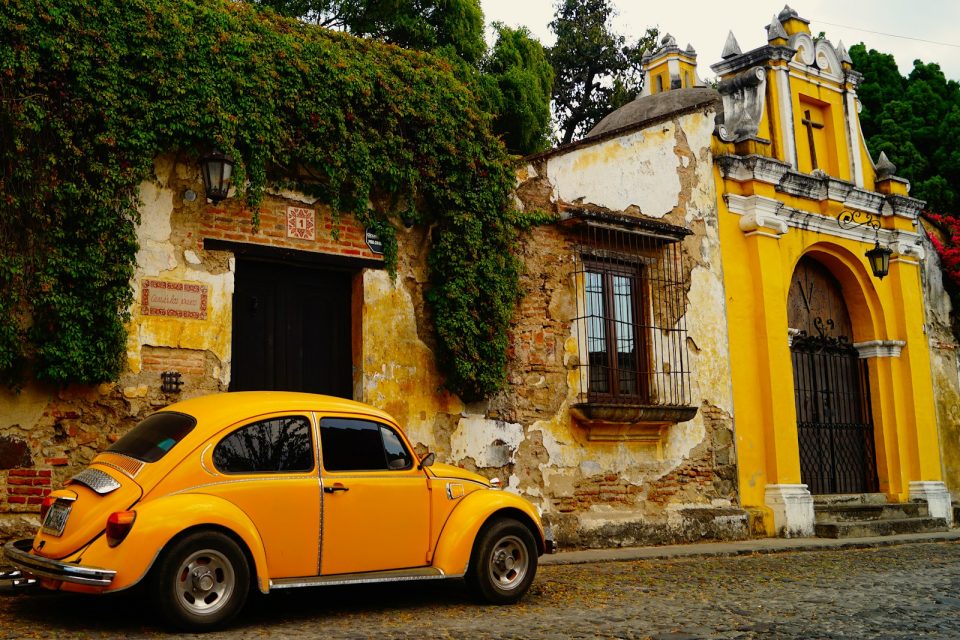
In the world of automotive enthusiasts, few pursuits inspire as much passion and dedication as the restoration of vintage automobiles. Reviving legends: the art of bringing vintage cars back to life represents a beautiful intersection of history, craftsmanship, and engineering that connects us with automotive heritage in a uniquely tangible way. This labor of love transforms forgotten relics into gleaming masterpieces that tell stories of bygone eras while preserving important chapters in our transportation history.
The emotional connection to automotive history
Vintage car restoration goes far beyond simple mechanics. It’s about connecting with history through metal, rubber, and chrome. When you run your hands over the curved fender of a 1950s Cadillac or hear the distinctive rumble of a restored Mustang engine, you’re experiencing living history. Many restorers describe their projects as “rescues” rather than renovations—saving these mechanical treasures from oblivion.
The emotional attachment often begins with childhood memories: perhaps your grandfather’s prized Packard or that neighbor’s Corvette you admired from afar. These connections drive many enthusiasts to spend thousands of hours meticulously bringing these machines back to their former glory. Reviving legends: the art of bringing vintage cars back to life allows us to preserve not just vehicles, but the stories, craftsmanship, and design philosophy of different automotive eras.
Technical challenges and authentic restoration
One of the greatest challenges in vintage car restoration lies in sourcing authentic parts. Unlike modern vehicles with readily available components, vintage automobiles often require extensive detective work to locate original parts—or the expertise to fabricate replacements that maintain historical accuracy. This hunt becomes particularly challenging when dealing with engine components where precision is essential.
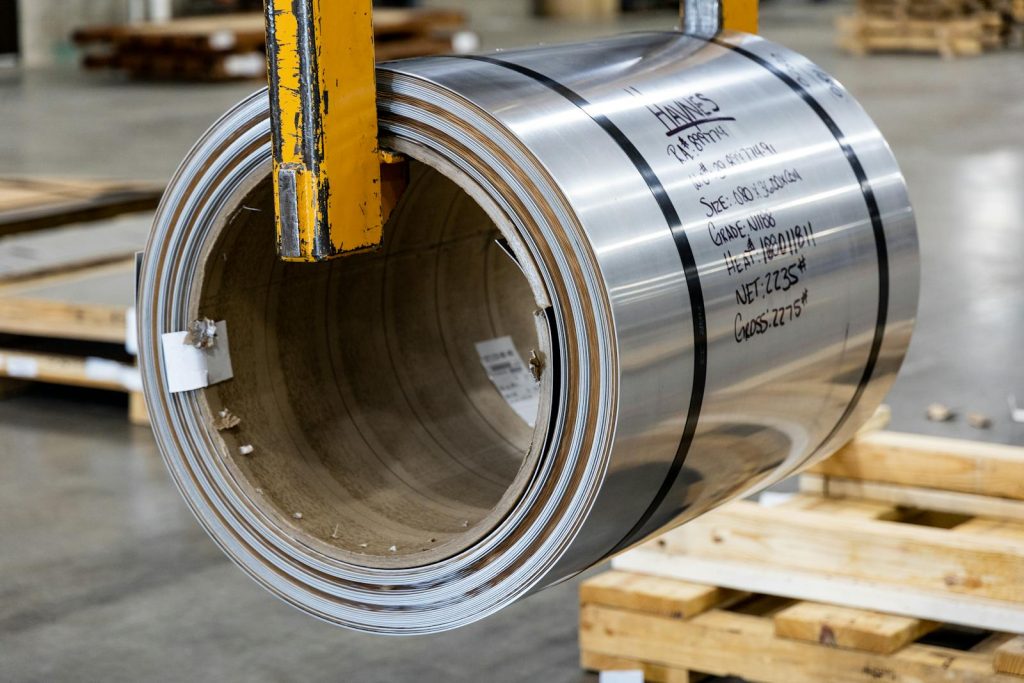
Finding the right gasket sheets represents one of the most common hurdles restorers face. Modern gasket sheets must often be adapted to fit engines designed decades before current manufacturing standards existed. Companies specializing in restoration materials have developed specialized products like the BA-202 gasket sheet material that balances modern performance with period-correct appearance. These specialized gasket sheets ensure proper sealing while maintaining the integrity of the restoration.
The restoration process: bringing history back to life
A proper vintage car restoration follows a methodical process that respects the vehicle’s heritage while addressing decades of deterioration. The journey typically begins with extensive research into the specific model’s history, factory specifications, and authentic details—right down to the correct paint formulations and upholstery materials.
The disassembly phase requires meticulous documentation, with each component carefully labeled, photographed, and stored. This organizational foundation proves invaluable months or even years later when reassembly begins. The body restoration often presents the most visible challenges, as corroded metal requires expert metalworking skills to restore original shapes and contours. Many restorers describe this phase as revealing the “true condition” of a vehicle, often uncovering hidden damage that explains mysterious mechanical issues.
Engine rebuilding demands exceptional precision, especially when using modern gasket sheets to ensure proper sealing in decades-old block designs. The BA-202 gasket material has become popular among serious restorers because it accommodates the subtle dimensional variations found in vintage engines while providing reliable sealing. This technical balance between authenticity and functionality exemplifies the art of bringing vintage cars back to life.

Balancing authenticity with drivability
How original should a restoration be? This question sparks endless debate among enthusiasts. Purists advocate for complete originality, using only period-correct parts and materials. Others favor a more pragmatic approach, incorporating modern improvements for safety and reliability. This spectrum creates different restoration categories, from museum-quality showcases to “restomodded” drivers that combine vintage aesthetics with modern performance.
The decision often depends on the vehicle’s intended use. Will it primarily serve as a show car, or do you plan regular driving? Many restorers find themselves compromising, using modern gasket sheets and select mechanical upgrades hidden beneath an authentic exterior. The BA-202 gasket material exemplifies this balance—modern performance with period-appropriate appearance.
Have you considered what you value most in a vintage vehicle? The answer shapes every restoration decision you’ll make.
The community that keeps history alive
Reviving legends: the art of bringing vintage cars back to life depends on a vibrant community of specialists, enthusiasts, and craftspeople. From the upholstery experts who recreate long-discontinued patterns to machinists who fabricate obsolete parts, this ecosystem of knowledge ensures these automotive treasures remain on the road for future generations to appreciate.
Online forums, specialist magazines, and car clubs provide invaluable resources for both novice and experienced restorers. The collective wisdom of these communities helps solve the inevitable challenges that arise during complex restorations. When you’re struggling to find the right gasket sheets for a rare engine configuration or debating the correct application of BA-202 material, these knowledge networks provide guidance that can save countless hours of trial and error.
The investment aspect of vintage restoration
While passion typically drives restoration projects, the financial aspect cannot be ignored. Quality restorations require significant investment in parts, materials, and often professional expertise. A complete restoration can easily exceed the vehicle’s ultimate market value, particularly for more common models. However, rare vehicles restored to exceptional standards continue to appreciate, sometimes spectacularly.
The most successful investments typically combine historical significance, rarity, and exceptional restoration quality. Provenance—documented history of ownership or competition—adds tremendous value. For the majority of enthusiasts, however, the primary return comes in the form of personal satisfaction and the joy of preserving automotive history. The countless hours spent searching for the perfect gasket sheets or applying BA-202 material to achieve factory-perfect engine seals deliver rewards that transcend financial calculations.
The art of bringing vintage cars back to life continues to captivate automotive enthusiasts worldwide. Each restoration preserves not just a vehicle, but a piece of our collective history—the design aesthetics, engineering approaches, and cultural values of different eras. Through these labors of love, we ensure future generations can experience the distinctive rumble of a flathead V8 or the elegant curves of art deco styling firsthand rather than merely through photographs or museums. This living connection to our automotive heritage represents the true value of reviving these mechanical legends.
